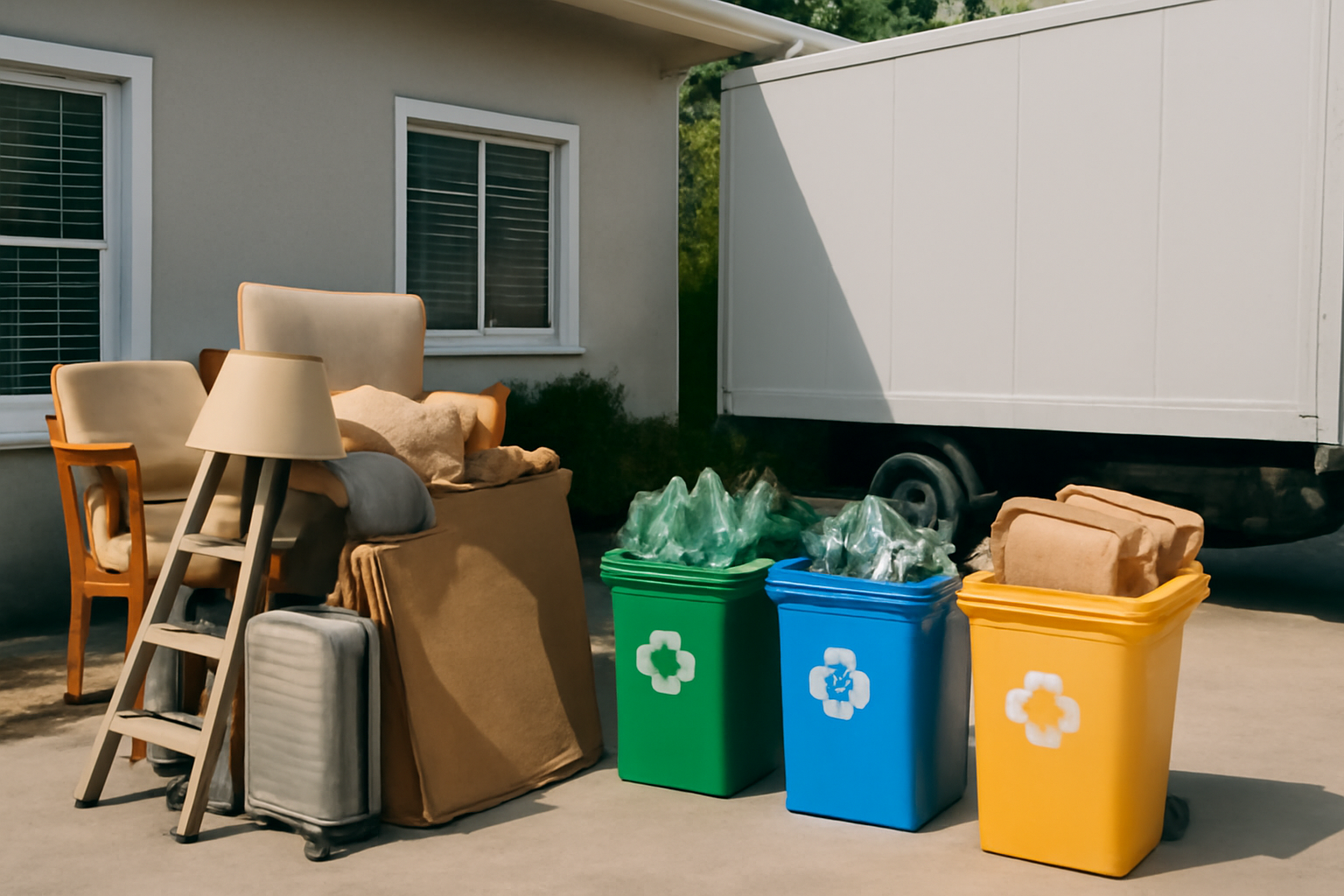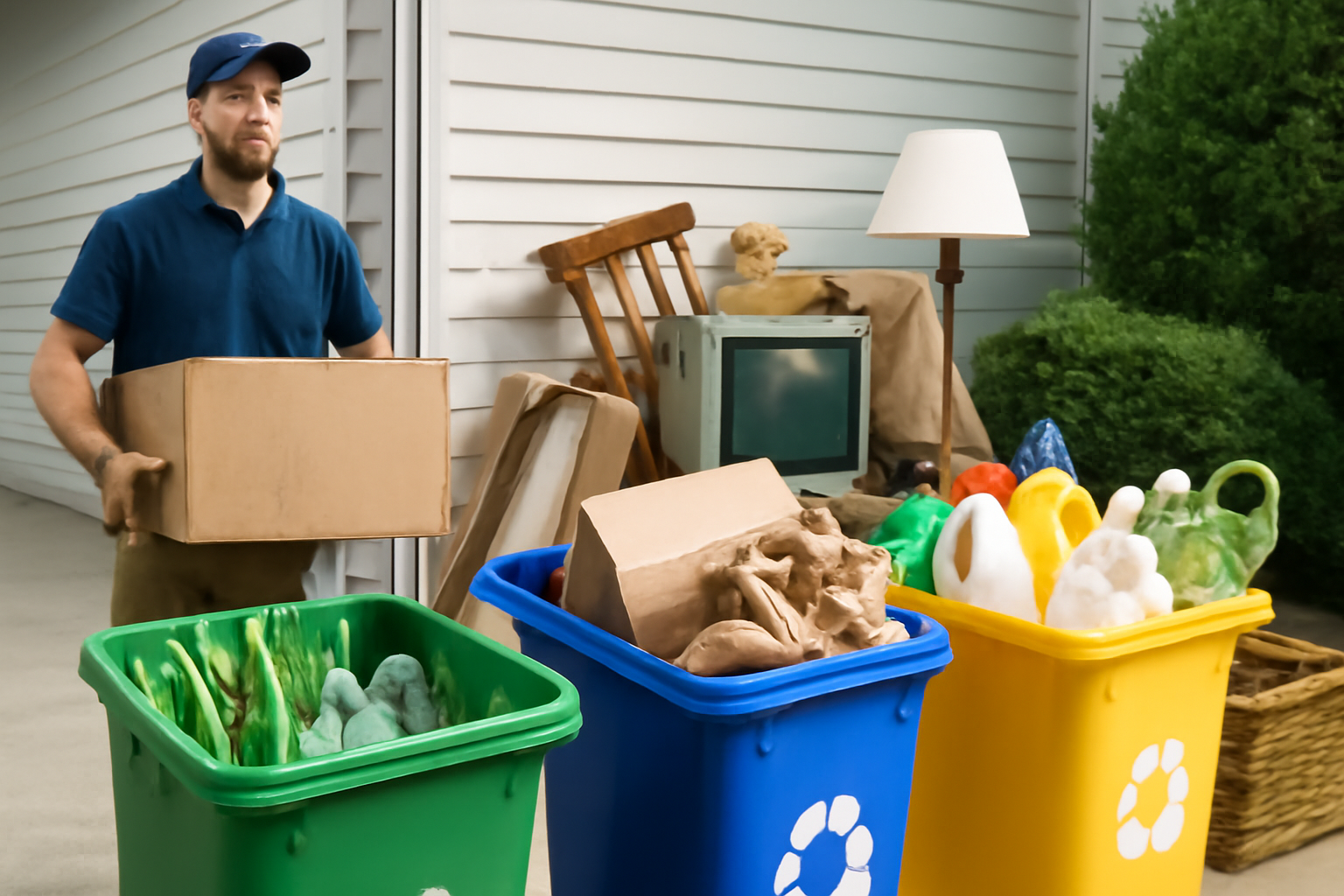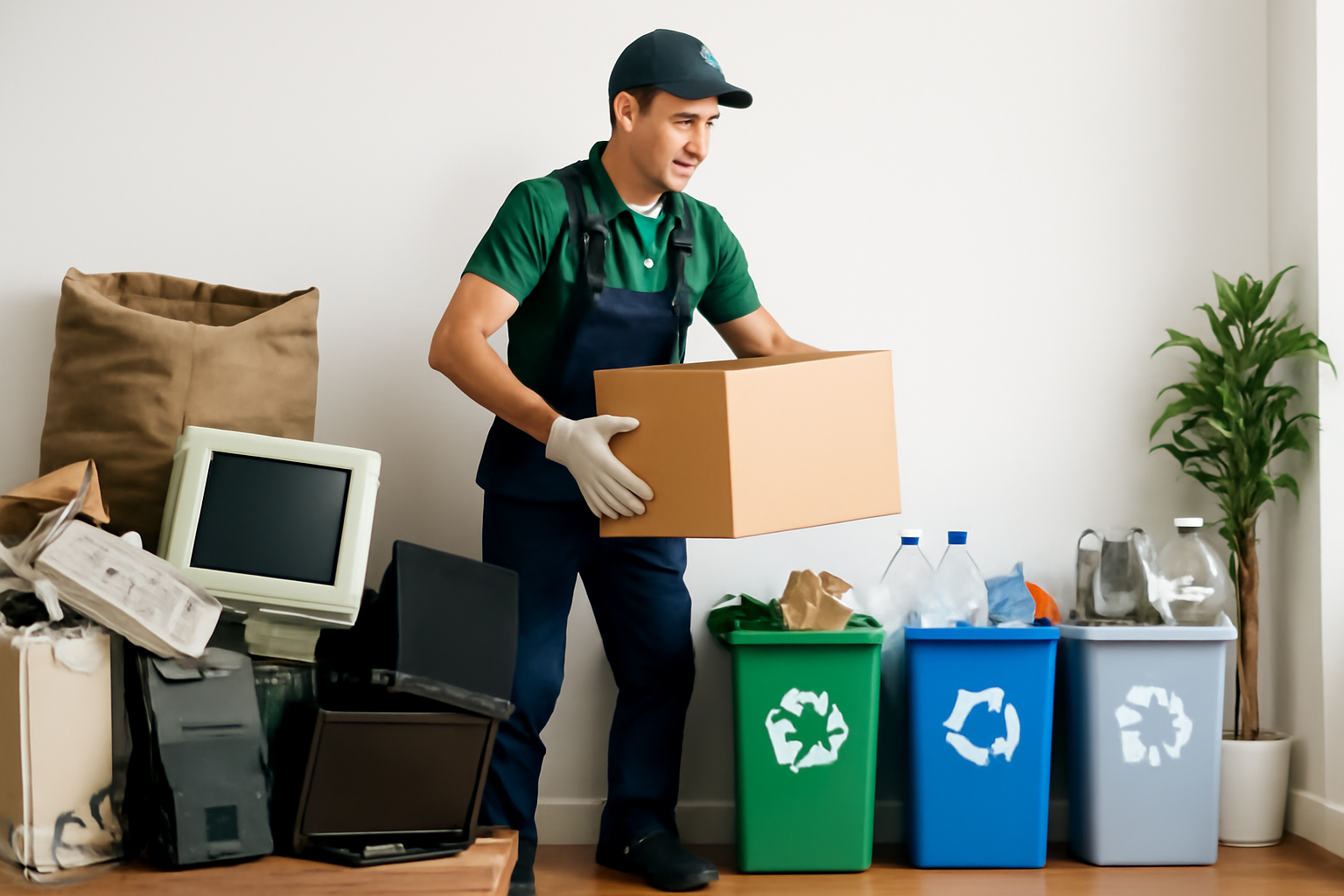
California's waste management system is one of the most complex — and most environmentally aggressive — in the country. Unlike states such as Colorado, California does not publish a single "banned items list." Instead, disposal rules come from CalRecycle's statewide hazardous waste prohibitions, Department of Toxic Substances Control (DTSC) universal waste rules, multiple state-funded stewardship programs, and local county and city ordinances that often go beyond the state baseline.
For junk removal operators and homeowners, this means one thing: many everyday items cannot legally go in the trash, recycling, or organics bin anywhere in California. If you'd rather not sort it all out yourself, compare California junk removal haulers who already work within these rules.
Statewide Items Banned From Trash, Recycling, or Organics
CalRecycle's guidance is explicit: the following items are illegal to place in any curbside bin statewide.
- All batteries (every type) — includes AA/AAA/C/D, button cell, lithium-ion, lead acid car batteries, and rechargeables. Batteries are the #1 cause of fires at California recycling facilities. Must go to a hazardous waste facility or approved retailer.
- Fluorescent lamps, tubes & LED bulbs — fluorescent tubes contain mercury; LEDs often contain toxic metals. Never place in trash — route to HHW or universal waste drop-off.
- Solvent-based (oil) paints & flammables — includes oil paints, thinners, reactive chemicals, pool chemicals, pesticides, oxidizers, and corrosives. Must be taken to a household hazardous waste (HHW) facility.
- Automotive hazardous waste — antifreeze, motor oil, oil filters, and car batteries are banned from trash statewide.
- Tires — not classified as hazardous, but banned from landfills due to fire risk and mosquito breeding. Must go through a tire recycling program.
- Asbestos & treated wood waste — asbestos-containing materials require certified handling. Treated wood waste (TWW) must be managed as hazardous waste.
- Compressed gas cylinders — propane tanks, helium tanks, camping cylinders — all require special handling.
- PCBs & older electrical components — includes older caulk, paint, glues, fluorescent ballasts, transformers, and capacitors.
- Electronic devices — TVs, monitors, laptops, CPUs, printers, radios, microwaves, VCRs, cell phones, and cordless phones all contain hazardous components and cannot go in the trash.
- Mercury-containing items — thermostats, thermometers, barometers, blood pressure gauges, switches, relays, dental amalgam, and some cosmetics.
California's Major State-Run Stewardship Programs
California operates several large, well-funded stewardship programs that shift disposal responsibility to manufacturers and retailers.
Mattresses — Used Mattress Recovery & Recycling Act (2013)
Governed under Public Resources Code §§ 42985–42994. Manufacturers and retailers must fund statewide mattress recycling (Mattress Recycling Council / "Bye Bye Mattress"). Retailers must collect a recycling fee at point of sale and offer free pickup of an old mattress when delivering a new one. Enforcement is real: a Los Angeles retailer was fined $68,916 in 2022 for failing to remit required fees.
Paint — PaintCare Program
California is a PaintCare state. A stewardship fee funds free paint drop-off at participating retailers, covering both latex and oil-based paints.
Electronic Waste — Covered Electronic Waste Recycling Program
Funded by a fee built into the purchase price of covered devices (TVs, monitors, etc.), ensuring proper recycling and preventing hazardous components from entering landfills.
Batteries — Responsible Battery Recycling Act of 2022 (AB 2440)
Requires retailers with five or more California locations to become permanent battery collection sites as stewardship plans roll out.
Tires — State Tire Recycling Program
Funded by a $1.75-per-tire fee at point of sale, supporting statewide tire recycling and cleanup programs.
Universal Special Handling Items (Federal Rules Apply Nationwide)
Appliances Containing Refrigerant
Refrigerators, freezers, AC units, and similar appliances require EPA Section 608 certified refrigerant evacuation before disposal. Junk haulers cannot legally dump these without proper processing.
Practical Junk Removal Checklist for California
- Batteries — Never place any battery type in trash, recycling, or organics. Route to HHW, a retailer drop-off, or a universal waste facility.
- Mattresses — Always use the Bye Bye Mattress program. This is a mandatory statewide system — not optional.
- Paint — Use PaintCare drop-off sites for any liquid paint.
- Electronics — Confirm which items incur California's e-waste fees. Never place TVs, monitors, laptops, or similar devices in the trash.
- Tires — Expect a recycling fee and mandatory special handling.
- Local rules — California's statewide framework is a floor; many counties (Los Angeles, San Francisco, Alameda, Santa Clara) impose stricter rules. Always check your city or county's HHW program for additional restrictions.
Final Takeaway
California's disposal system is strict, detailed, and heavily enforced. For junk removal operators, compliance isn't optional — it's essential. Understanding the state's hazardous waste bans and stewardship programs will keep your business legal, safe, and competitive.
Not sure where to take a specific item? Use our California dump site and transfer station directory to find the nearest facility. If you'd rather not deal with sorting and hauling it yourself, compare local California junk removal haulers who already know these rules and handle disposal correctly.
More State Disposal Guides
Rules vary sharply from state to state. See how your state compares: